Who Really Owns the Seat? Inside the Billion-Dollar Battle Over Concert Tickets
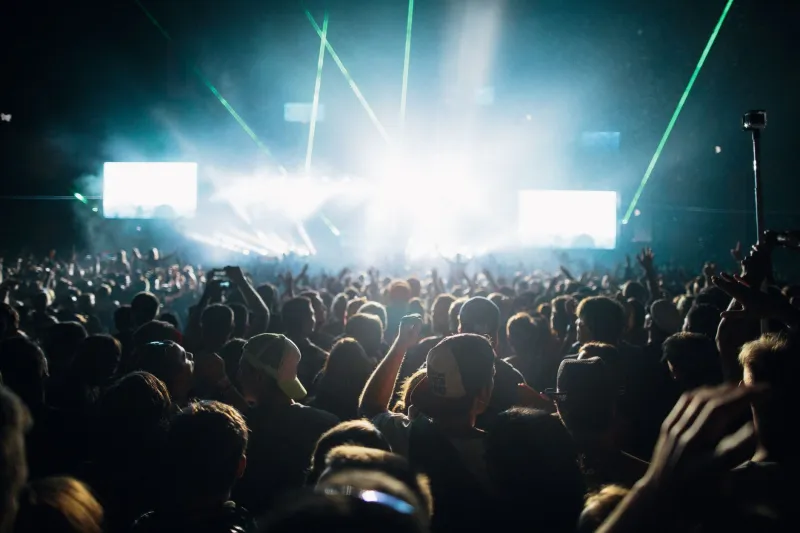
You set your alarm for 9:58 AM. You've got your laptop open, your phone ready, and your credit card already autofilled. The on-sale time hits. You click. Spinning wheel. Error. Sold out.
Two minutes later, those same tickets are sitting on StubHub for four times the face value.
If you've tried to buy tickets to a major concert, comedy tour, or Broadway run in the last few years, this scene is painfully familiar. The secondary ticket market — the sprawling ecosystem of resellers, brokers, and bots — has quietly become one of the most profitable and most contested corners of the entire live entertainment industry. And depending on who you ask, it's either a free-market miracle or an all-out shakedown of fans.
The Numbers Don't Lie
The global ticket resale market was valued at over $15 billion in 2023, and analysts expect that number to keep climbing. In the US alone, platforms like StubHub, Vivid Seats, and SeatGeek generate billions in transaction volume every year. For context, that's money that largely bypasses the artists, the venues, and the promoters who actually put on the show.
Resellers — ranging from solo hustlers flipping a handful of seats to large-scale professional brokers operating with warehouse-level infrastructure — have turned high-demand events into a reliable income stream. Buy low at face value, sell high on the secondary market. It's a simple business model with a complicated moral footprint.
And the technology enabling it has gotten frighteningly sophisticated.
Bots, Bulk Buys, and the Arms Race Nobody Asked For
Here's the part that stings most for regular fans: a significant chunk of those tickets never stood a chance of landing in their hands. Automated bots — software programs designed to purchase tickets at superhuman speed the moment they go on sale — have been a known problem for over a decade. Congress even passed the Better Online Ticket Sales (BOTS) Act back in 2016, making the use of such software illegal. Enforcement, however, has been another story entirely.
Ticketmaster and other primary sellers have rolled out various countermeasures — CAPTCHAs, queue systems, verified fan presales — with mixed results. For every defensive wall built, resellers find a new tunnel. Some invest in sophisticated bot networks that can mimic human browsing behavior. Others work with insiders or leverage bulk purchasing accounts across multiple identities.
The result? Fans who play by the rules often lose to people who don't. And by the time the dust settles, the cheapest available option is already a markup.
Where Do the Artists Stand?
This is where things get genuinely complicated. On the surface, it seems obvious that artists should be furious — their fans are being gouged, and they're not seeing a dime of that resale premium. And many of them are vocal about it. Taylor Swift's Eras Tour ticket chaos became a national news story and even prompted Senate hearings. Bruce Springsteen, Pearl Jam, and Bad Bunny have all publicly wrestled with the resale problem at various points in their careers.
But the picture isn't entirely clean. Some artists — and their management teams — have quietly benefited from arrangements with resale platforms or dynamic pricing systems that allow face values to float upward with demand. When a floor ticket to a hot show is listed at $800 at the point of purchase, the line between primary and secondary market starts to blur.
Venues and promoters, meanwhile, have their own financial incentives baked into the resale ecosystem. Some receive fees from official resale partnerships. Others use resale data to inform their own pricing strategies. The industry's relationship with the secondary market is less adversarial than it sometimes appears from the outside.
Dynamic Pricing: Solution or Just a Fancier Problem?
One proposed fix that's gotten a lot of airtime lately is dynamic pricing — the same model airlines and hotels use, where ticket prices fluctuate based on real-time demand. The argument in favor: if a ticket is going to sell for $500 on StubHub anyway, why shouldn't that money go to the artist and the venue instead of a middleman?
It's a reasonable economic argument. It's also deeply unpopular with fans.
When Ticketmaster rolled out demand-based pricing for certain high-profile shows, the backlash was immediate and fierce. Critics argued it punished loyal fans who couldn't afford to pay surge prices and rewarded the wrong behavior. There's also a cultural dimension worth considering: live performance has historically been one of the more democratically accessible art forms, and pricing models that skew heavily toward whoever can pay most threaten that tradition.
The tension here is real. Artists deserve to capture the value their work generates. Fans deserve a fair shot at attending the shows they love. Those two things aren't always compatible, and dynamic pricing alone doesn't resolve the underlying friction.
What's Actually Being Tried
A few approaches have shown genuine promise, even if none has cracked the code completely.
Artist-controlled resale platforms — like the verified fan programs Ticketmaster has piloted for select artists — attempt to limit resale by tying tickets to the original purchaser's identity. You can't transfer the ticket without going through an approved channel, and resale prices are often capped. Pearl Jam has used similar systems for years with reasonable success, though it requires significant logistical coordination.
All-in pricing laws have gained traction at the state level, with Colorado, California, and New York among the states pushing or passing legislation that requires platforms to display the full ticket price — including fees — upfront. It doesn't kill the resale market, but it at least removes the sticker-shock moment at checkout that makes the whole experience feel predatory.
Fan-to-fan resale caps are another option some venues have explored, limiting how much a ticket can be resold for above face value. It's a blunt instrument, but it does put a ceiling on the most egregious markups.
None of these solutions is perfect. All of them involve tradeoffs. And the industry is moving fast enough that yesterday's fix can become tomorrow's loophole.
The Bigger Question
At its core, the ticket resale debate is about something more fundamental than economics. It's about who live entertainment is actually for.
When a sold-out show becomes a de facto auction, the experience shifts. The audience stops being a community of fans who all wanted to be in that room and starts being a self-selected group of whoever could afford the premium. That changes the energy of the room. It changes what it means to be a fan. And it chips away at the thing that makes live performance worth fighting over in the first place.
The performers on stage — the ones putting everything into every night — deserve audiences who are there because they genuinely wanted to be. And fans who've followed an artist through every album, every tour, every comeback deserve a real shot at the seat.
Figuring out how to make both of those things true at the same time? That's the show nobody's quite figured out how to put on yet.