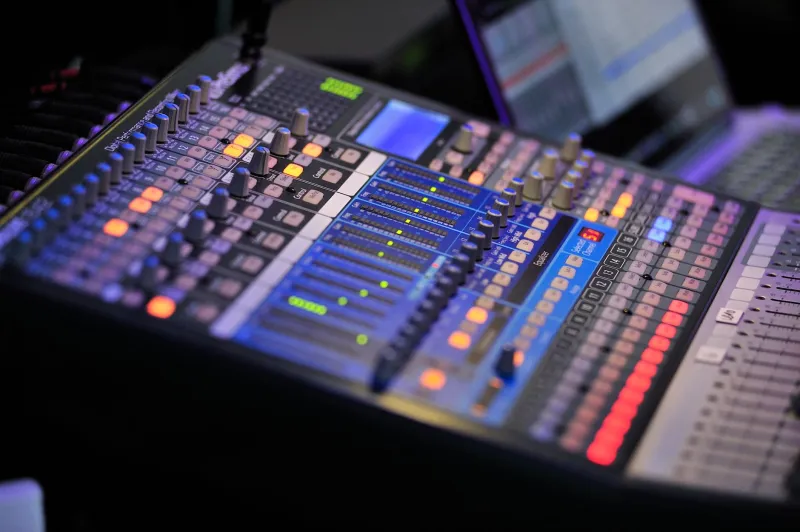
The People Behind the Sound: Meet the Unsung Heroes Mixing Every Live Show in Real Time
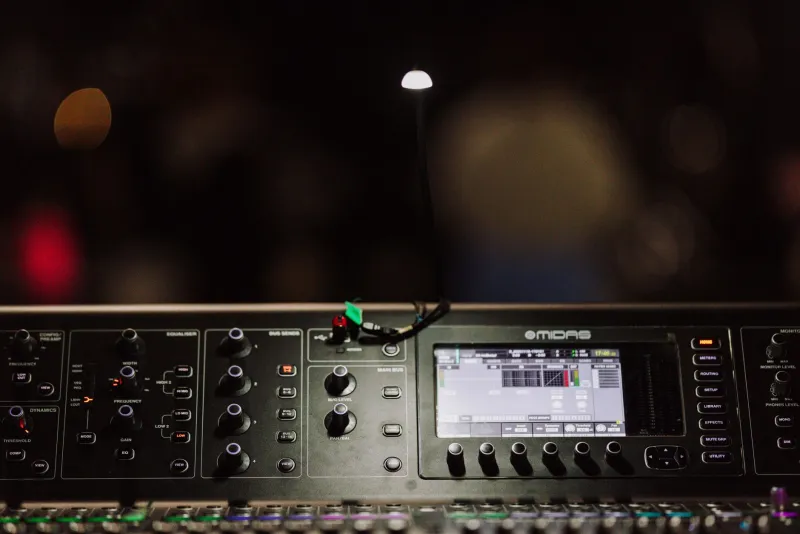
Think about the last live show that genuinely moved you. Maybe it was a concert where the bass hit so hard you felt it in your chest, or a theater performance where an actor's whispered line somehow carried all the way to the back row. Whatever it was, there's a good chance you walked out raving about the performer — and completely forgot about the person sitting at a massive console somewhere in the middle of the house, quietly making sure every single moment landed exactly right.
That's a sound engineer's life in a nutshell. All the credit goes elsewhere. All the blame, though? That lands squarely on them.
What Sound Engineers Actually Do (It's Way More Than Turning Knobs)
The title "sound engineer" or "audio technician" doesn't quite capture the scope of what these folks manage on any given show night. Before a single audience member walks through the door, a front-of-house engineer has already spent hours — sometimes days — in the venue running mic checks, testing signal chains, adjusting for the acoustic quirks of the room, and building a mix from scratch.
Every venue is different. A 20,000-seat arena in Los Angeles behaves nothing like a 500-seat club in Nashville. Hard walls bounce sound differently than padded ones. High ceilings create delay issues. Even the number of people in the room changes how sound travels, because human bodies absorb certain frequencies. Sound engineers account for all of this before the first performer even walks onstage.
"People think we just push faders up and down," says Marcus Webb, a touring FOH engineer who has worked with major acts across North America for over a decade. "But you're really painting a picture in real time. You're thinking about what the audience needs to feel, not just hear."
That distinction — feeling versus hearing — is at the core of what separates a great mix from a forgettable one.
The Mic Placement Problem Nobody Talks About
One of the most consequential decisions in live audio happens before the show even starts: where exactly a microphone gets placed. It sounds simple. It absolutely isn't.
For a vocalist, a mic positioned even a few centimeters off can change whether the audience hears warmth or harshness. For a drum kit, mic placement determines whether the snare cracks or thuds. In theater, wireless lavalier mics — the tiny ones hidden in wigs or taped to foreheads — have to be placed where they'll capture dialogue clearly without picking up costume rustling, breathing, or the sound of an actor's heartbeat during a high-stakes scene.
Monitor engineers, who work onstage and manage what performers hear through their earpieces and floor monitors, carry their own enormous responsibility. If a singer can't hear themselves properly, pitch suffers. If a musician's monitor mix is off, the whole band can drift. The audience never sees any of this negotiation happening — but they absolutely feel the result.
"A bad monitor mix can ruin a performer's confidence in the first song," says audio technician Dani Okafor, who has worked Broadway productions and touring shows. "And once that confidence is gone, you're chasing it for the rest of the night."
When Something Goes Wrong: The Real-Time Problem-Solving Nobody Sees
Here's where things get genuinely cinematic. Live performance is unpredictable by nature — it's part of what makes it thrilling. But for a sound engineer, unpredictability means you're constantly managing potential disasters while the show keeps rolling.
A wireless mic drops signal mid-song. A guitar amp starts buzzing with feedback. A performer steps away from their designated position and suddenly they're in an acoustic dead zone. Rain at an outdoor festival changes everything about how sound travels. In each of these scenarios, the engineer has seconds — sometimes less — to diagnose the problem and fix it before the audience notices.
Most of the time, audiences never do notice. That's the whole point.
"The best compliment I ever got was someone telling me the show sounded effortless," Webb says. "Because I knew exactly how many fires I had put out in those two hours."
The ability to stay calm, think fast, and make surgical adjustments while a packed house watches a performance unfold is a skill that takes years to develop. It's equal parts technical knowledge and pure instinct.
The Emotional Architecture of a Live Mix
Beyond crisis management, there's a creative dimension to audio engineering that rarely gets discussed in mainstream entertainment coverage. A great sound engineer isn't just reproducing what performers create — they're actively shaping the emotional arc of a show.
Knowing when to let a vocal sit dry and exposed versus when to add a touch of reverb that makes it feel like it's floating in a cathedral. Understanding that the moment before a big chorus hit should have just a little more space in the mix to make the impact feel massive. Recognizing that a quiet scene in a play needs the room to breathe, not be filled with ambient noise.
"You're essentially a collaborator," Okafor explains. "The performers are telling the story, but you're deciding how that story sounds in the room. That's a creative choice every time."
This is why experienced engineers often develop long-term relationships with specific artists or productions. Trust matters. An engineer who knows a performer's tendencies — when they push harder on certain notes, when they tend to move away from the mic — can anticipate and compensate in ways that a stranger behind the board simply can't.
Why You'll Never Hear Their Names in the Credits
Unless you're in the industry, you probably couldn't name a single sound engineer behind a show you've loved. That's not an accident — it's almost a professional ethos. The goal is invisibility. The best work is the work you never consciously register.
But that invisibility comes with a cost. When something sounds bad at a show, the internet is quick to blame the performer. When the mix is incredible, the performer gets the standing ovation. Sound engineers have made peace with this dynamic, mostly. It's the nature of the craft.
What's slowly changing, though, is the conversation around live audio in entertainment circles. As audiences become more sophisticated — more attuned to production quality after years of streaming high-fidelity content — the bar for live sound keeps rising. Engineers are being brought into production conversations earlier. Their input on venue selection, stage design, and even set lists is increasingly valued.
The Next Time You're in That Audience
Next time you're at a show that blows you away, take a second before you leave the venue. Somewhere in the middle of the house, or tucked into a side wing, there's someone packing up a console and a bunch of cables. They probably look a little tired. They're definitely not getting a curtain call.
But that moment you felt — the one that gave you chills or made your eyes water or made you grab your friend's arm — they built that. In real time. With no second takes.
That's the invisible orchestra. And they've been playing for you all along.