Before the First Note: The Pre-Show Ritual That Makes or Breaks the Whole Night
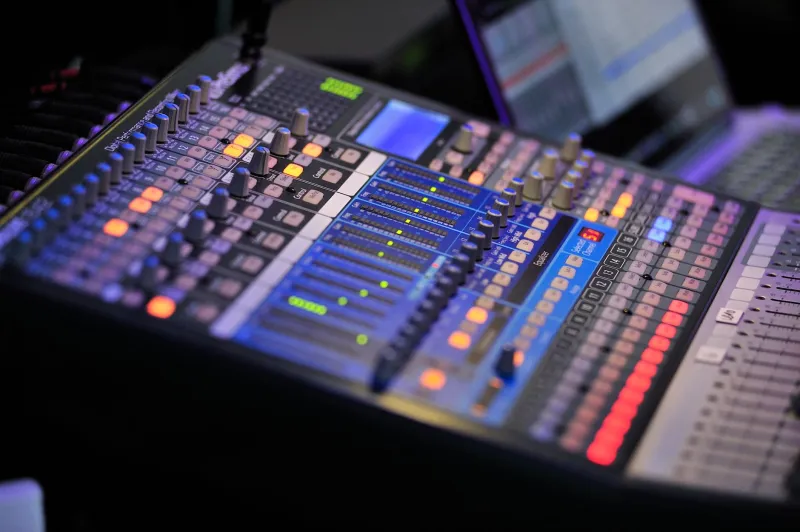
You show up, find your seat, maybe grab an overpriced beer, and wait for the magic to start. What you probably don't realize is that the magic already started — hours ago, in an empty room, with a guy in a black t-shirt saying "check, one, two" into a microphone while everyone else was still stuck in traffic.
The sound check is one of those behind-the-scenes rituals that almost nobody outside the industry talks about, but pretty much everyone in it will tell you is absolutely critical. Get it right, and the audience never thinks about it once. Get it wrong, and suddenly the whole night feels off in a way people can't quite explain. That's the cruel irony of great live audio — it's completely invisible until it isn't.
More Than Just "Can You Hear Me?"
Most people picture a sound check as a quick mic test before the real work begins. In reality, it's closer to a full dress rehearsal for the room itself. A professional front-of-house engineer isn't just checking that signals are coming through — they're learning the acoustic personality of the space, adjusting for everything from ceiling height to how many bodies will eventually fill the seats.
Every venue has its own sonic fingerprint. A mid-size arena in Chicago behaves completely differently from a theater in Nashville or an outdoor amphitheater in Los Angeles. The materials in the walls, the shape of the room, even the weather outside — all of it affects how sound travels and reflects. Sound engineers essentially have to solve a new puzzle every single night.
And they're doing it under serious time pressure. Load-in windows, union rules, venue schedules — there's rarely as much time as anyone would like. The best crews in the business have developed a kind of shorthand, moving through a checklist that looks casual to an outsider but is actually incredibly precise.
The Psychological Side Nobody Talks About
Here's something that doesn't get nearly enough attention: sound checks aren't just technical preparation. They're psychological preparation too, and that's just as important for the performers involved.
For a lot of musicians and performers, the sound check is when they transition from regular human beings into whatever version of themselves they become on stage. It's the warm-up, the meditation, the last chance to work through nerves before the crowd arrives. Some artists run through full songs. Others just want to hear their monitor mix — the sound they hear on stage, which is completely separate from what the audience hears — until it feels right. When a performer can hear themselves clearly, they perform better. Full stop.
Monitor engineers, the folks handling that on-stage sound, often describe their job as part technical work and part therapy. Every performer has specific needs. One vocalist wants to hear more reverb on their voice. A guitarist wants to feel the kick drum in their chest. A touring pianist might have a very particular idea of how the keys should sit in the mix. Getting all of that dialed in before showtime isn't just a nicety — it directly affects confidence, pitch, timing, and stage presence.
The Crew You Never See
Let's be honest: the people making this happen almost never get a mention. When a show is transcendent, we talk about the performer. When something sounds off, the performer sometimes takes heat for that too. The sound engineers, monitor techs, systems engineers, and stage hands who spent the entire afternoon making sure everything was perfect? They're ghosts.
That's the job, and most of them will tell you they wouldn't have it any other way. There's a particular kind of professional satisfaction that comes from doing invisible work exceptionally well. But it's worth pausing to recognize what that work actually involves.
A touring sound crew for a major act might travel with tens of thousands of dollars worth of equipment, spending anywhere from four to ten hours setting up, testing, and refining before a single paying customer walks through the door. For smaller club shows or regional theater productions, the crew is often leaner — sometimes one or two people handling everything — but the stakes are just as real. A community theater production with muddy dialogue or a local band's showcase where the vocals are buried in the mix can lose an audience just as fast as a major tour can.
When Things Go Sideways
Even the best-run sound checks can't account for everything. Gear fails. A speaker blows during the opening act. Humidity changes the room. A performer gets sick and their vocal range shifts. The professionals handling live audio have to be ready to adapt in real time, often making decisions in seconds that affect what thousands of people experience.
That improvisational element is part of what makes live entertainment so uniquely thrilling — and so uniquely risky. There's no undo button. Every adjustment is live, every call is final, and the audience is watching (or listening) the whole time.
The best engineers describe it as controlled chaos. You prepare obsessively so that when something unexpected happens, your instincts take over. The sound check is where you build those instincts for that specific night, in that specific room, with those specific people.
Why This Stuff Actually Matters to You
If you're someone who loves live shows — concerts, theater, comedy, dance, whatever your thing is — understanding what goes into the pre-show prep changes how you experience the whole thing. That moment when the lights drop and the first note hits and it sounds absolutely perfect? That didn't happen by accident.
Next time you're at a show and the sound is immaculate, maybe take a second to appreciate the person at the mixing board in the back of the room, headphones around their neck, watching the stage with quiet intensity. They've been there for hours. They know every frequency in that room. And they already did their job so well that you'll never have to think about them once.
That's the whole point. And honestly? That's pretty remarkable.