Beyond the Final Bow: How Encores Became the Most Electrifying Moment of the Night
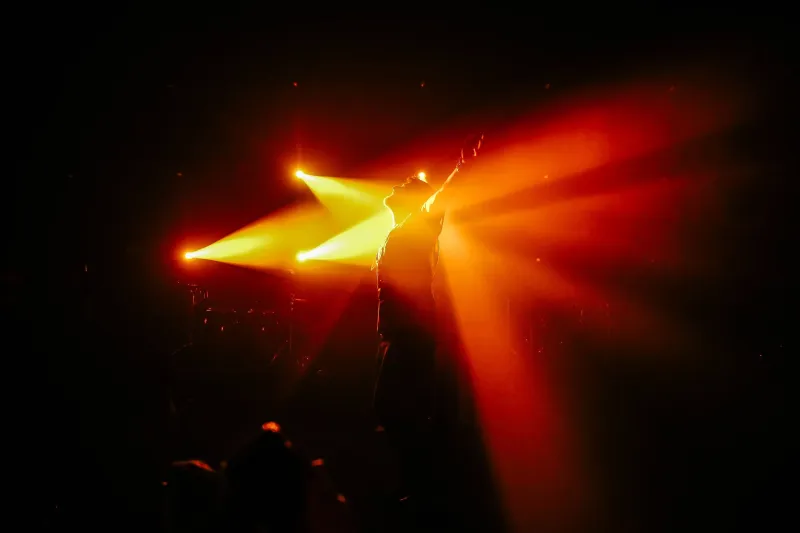
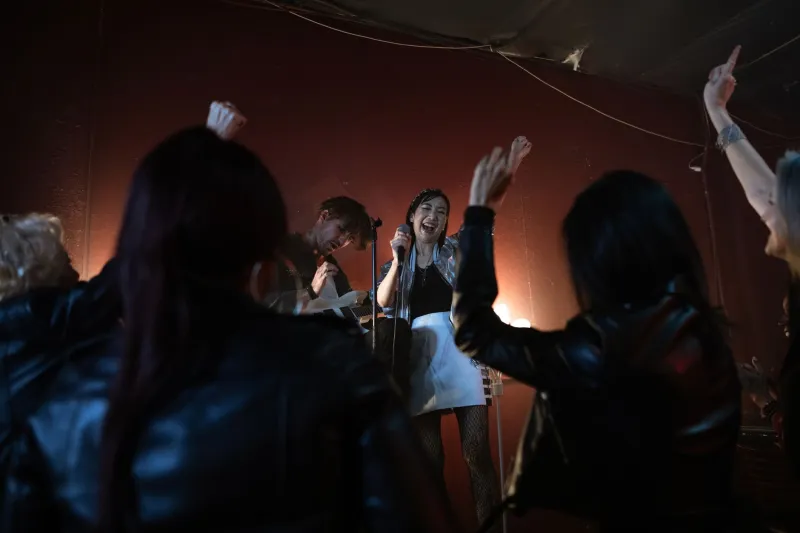
There's a ritual most concert-goers know by heart. The lights drop. The band walks off. The crowd goes absolutely feral — stomping, clapping, chanting — until the performers drift back out under a fresh wave of light. For decades, this little dance was practically scripted. Everyone knew it was coming. Everyone played along.
But something has shifted.
Today's encores aren't just a polished repeat of what you already saw. They've become something closer to a secret second show — a space where artists strip things down, flip expectations, pull in surprise guests, or dust off songs that haven't seen a stage in years. The encore, once a reliable but unremarkable tradition, has quietly evolved into the most anticipated, most clipped, and most emotionally resonant chunk of a live performance.
So what happened? And why does it matter so much now?
From Obligation to Opportunity
The encore's origins are actually pretty humble. In 19th-century European opera, audiences would demand performers repeat a piece they loved — sometimes mid-show, which sounds chaotic by today's standards. Over time, the post-show return became codified into something more theatrical: a gesture of gratitude, a little bow to the crowd's enthusiasm.
For most of the 20th century, rock and pop acts treated the encore as a known quantity. You saved your biggest hit, maybe your second-biggest, and boom — that was your encore. The crowd felt satisfied. You felt satisfied. Everyone went home.
But in an era where setlists get posted online before the opening act even finishes soundcheck, that formula started feeling a little hollow. Audiences already knew what was coming. The element of surprise — that electric, unpredictable energy that makes live performance irreplaceable — was draining out of the tradition entirely.
So artists started getting creative.
The Acoustic Pivot
One of the most powerful moves performers have made with the encore space is stripping their music down to almost nothing. No production. No backing tracks. Just a performer, an instrument, and a room full of people holding their breath.
This kind of acoustic reimagining does something pretty remarkable — it makes a song feel brand new even if you've heard it a thousand times. When a massive arena anthem gets rebuilt from scratch with just a guitar and a single spotlight, the emotional weight shifts entirely. You're not hearing the song you know. You're hearing the bones of it.
For audiences, this creates a weirdly intimate moment inside what might otherwise be a massive, loud, overwhelming event. It's the kind of thing people describe for years. "You had to be there" stops being a cliché and starts being literally true.
Surprise Guests and the Chaos Factor
If acoustic encores create intimacy, surprise collaborations create chaos — and right now, chaos is currency.
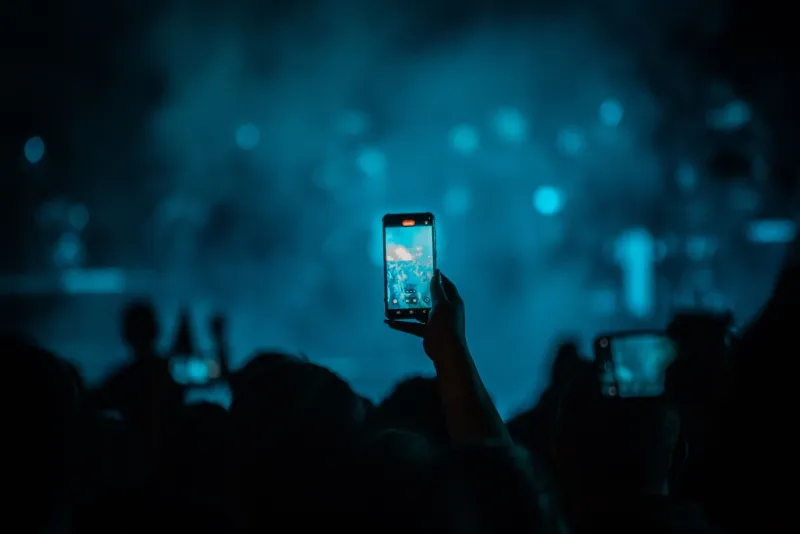
There's a specific kind of collective losing-of-minds that happens when an unexpected guest walks out during an encore. The crowd doesn't just react; they erupt. Phones fly up. People grab strangers. For a few minutes, the room becomes something bigger than any single performance could create on its own.
Smart artists have figured out that the encore is the perfect container for this kind of moment. It comes after the main show has already built an emotional arc — the audience is primed, they're already feeling everything — and then the guest appearance hits like a plot twist in the final act of a movie you thought you already understood.
In Nashville, in New York, in arenas across the country, fans have started showing up to shows with the low-key hope that something unexpected might happen after that fake ending. The encore has become a space of genuine possibility.
Deep Cuts and the Devoted Fan
Then there's the deep cut strategy, which operates on a completely different kind of emotional logic.
For casual fans, a greatest-hits encore is perfectly satisfying. But for the devoted — the people who have every B-side memorized, who joined fan forums at 2 a.m. to debate album rankings — hearing a deep cut performed live is something close to a religious experience.
Some artists have started leaning into fan-requested songs specifically for their encores, using social media polls or in-show moments to let the crowd essentially co-write the end of the night. This does a few things at once: it creates genuine unpredictability (even the band might not have rehearsed the chosen song recently), it rewards the most dedicated fans in the room, and it turns the encore into a kind of communal decision rather than a unilateral performance choice.
The result feels less like watching a show and more like participating in one.
Storytelling Through Structure
What ties all of these approaches together is an understanding of the encore as narrative architecture — not just extra material, but a deliberate structural choice about how a night ends and what feeling it leaves behind.
The best encores don't just add time to a show. They recontextualize everything that came before. An acoustic version of an opening number creates a full-circle moment. A surprise duet reframes a song's meaning. A deep cut tells the most devoted fans in the room: we see you, specifically.
Theatrical productions have understood this for a long time — the final image of a show, the last note, the closing moment, is what audiences carry home. Live music is catching up to that thinking in a real way.
Why It Hits Different Now
There's a cultural context worth naming here. We're living in an era where live performance has been elevated to something almost sacred. After years of pandemic-related cancellations and the slow creep of digital-everything, people have returned to live shows with a kind of hunger that wasn't there before.
Every moment of a live performance carries more weight now. And the encore — that liminal space between the official end and the actual goodbye — has become a place where artists can honor that hunger directly.
It's also worth noting that the encore lives and dies on social media in a way no other part of a show does. The surprise guest clip. The acoustic performance that makes the whole room cry. The obscure track that sends longtime fans into absolute meltdown. These are the moments that travel, that get shared, that turn a single night into a weeks-long cultural conversation.
Artists know this. And the smart ones are building their encores accordingly.
The Last Thing You Remember
Here's the thing about live performance: memory is selective. You might forget the third song in the setlist. You might blur together the light show and the crowd energy. But you almost never forget how a show ended.
The encore is the last impression, the final note in the emotional chord of the night. When artists treat it with real intention — when they use that space to surprise, to connect, to strip something down or build something unexpected — it stops being a formality and becomes the whole point.
The show doesn't end when the band walks off. It ends when the encore is over. And right now, some of the most creative minds in live entertainment are making sure that ending is worth every second of the wait.