Night Two Is Never Night One: The Secret Science of the Ever-Changing Setlist
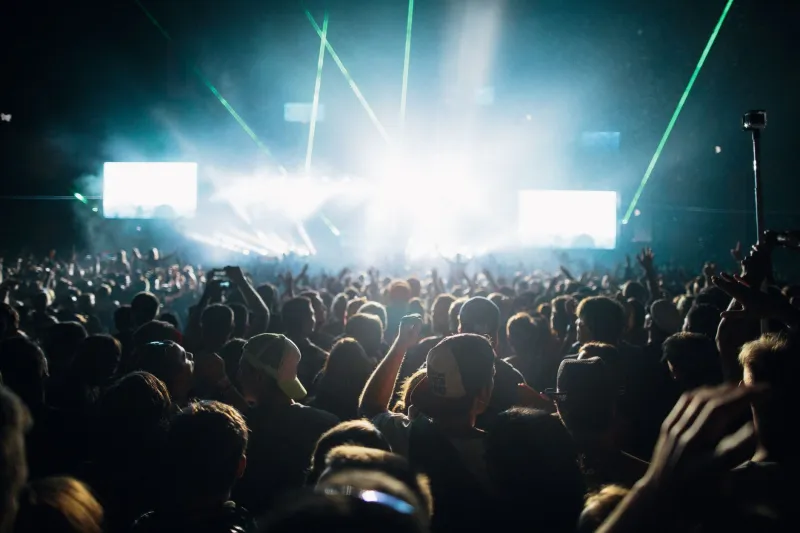
Picture this: you scored tickets to both nights of your favorite artist's run at Madison Square Garden. You figured night two would be basically the same show — maybe a slightly looser vibe, a few more jokes between songs. Then the lights drop, the opener hits, and it's a completely different song than the one that kicked off night one. The crowd around you buzzes. Someone behind you whispers, "Wait, they changed it."
Welcome to the quiet obsession that lives at the intersection of art, strategy, and pure performance psychology — the modern setlist shuffle.
It's Not Random, But It's Not Fully Planned Either
Here's the thing most fans don't realize: the setlist hanging on a monitor in the wings isn't scripture. It's a living document. Tour managers will tell you that the list gets treated more like a flexible blueprint than a rigid script, especially on long runs where the same production rolls into a city for multiple nights.
The logic is partly practical. When an artist plays the same venue on consecutive nights, a meaningful chunk of the audience overlaps — superfans, local press, industry people, friends of the crew. Playing the exact same show twice would feel lazy to the people who matter most. But beyond optics, there's something genuinely creative happening in the shuffle.
Musicians often describe the setlist as a conversation they're trying to have with a specific room on a specific night. The songs aren't just songs — they're emotional beats in a story arc. Which opener creates the right amount of tension? Where does the slow ballad land hardest? What's the last thing you want stuck in someone's head when they hit the parking lot? Those questions get re-answered every single night.
Reading the Room Before the Room Fills Up
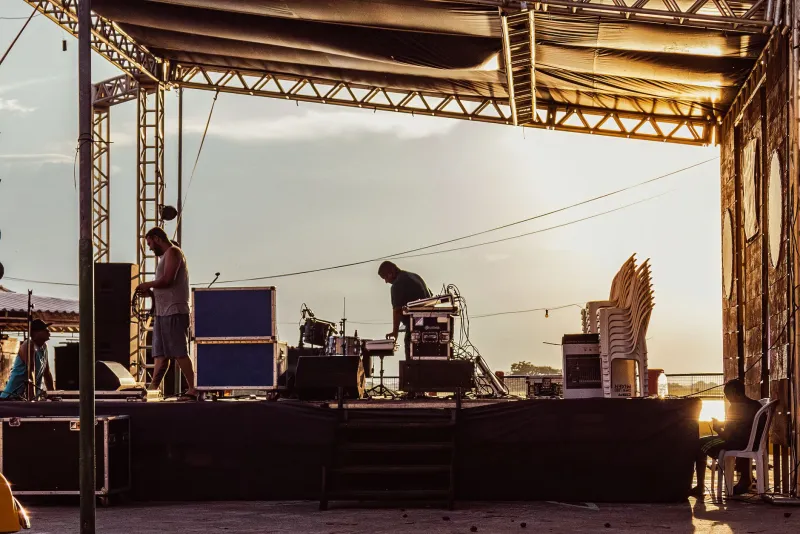
Sound engineers and production crews start gathering data long before the first fan walks through the door. They're listening to how the room responds during soundcheck — not just acoustically, but energetically. A venue that had a rowdy Wednesday crowd might be hosting a more seated, attentive Thursday audience. That shift changes everything.
There's also the city factor. Artists who've toured extensively will tell you that audiences in different markets respond to different things. A crowd in Nashville might go absolutely feral for a deep cut that barely registers in Seattle. A song that killed in Chicago might feel flat in Phoenix. Tour managers track this stuff obsessively, building informal databases of what worked where, cross-referencing it with streaming data, social chatter, and sometimes just gut instinct.
When an artist plays multiple nights in the same city, all of that information compounds. Night one becomes a test run of sorts — not in a cynical way, but in the way that any live performance teaches you something you couldn't have learned in rehearsal.
The Dropped Song Problem
Here's where it gets emotionally complicated. Every setlist shuffle creates winners and losers, and the losers are often fans who showed up specifically for one song. The one song. The track that got them through a breakup, or the one they've been waiting three years to hear live.
And sometimes it just... doesn't make the cut that night.
This is the tension that lives at the heart of every setlist decision. Artists genuinely want to honor the deep emotional contracts they have with their listeners. But they're also trying to build something that feels alive, not like a jukebox cycling through the greatest hits on autopilot. Nostalgia is powerful, but so is spontaneity — and the best live shows exist in the space between those two forces.
Some artists have started leaning into fan voting or social media polls to crowdsource part of the setlist, which creates its own kind of theater. Taylor Swift's "surprise song" format on the Eras Tour turned setlist unpredictability into one of the show's biggest draws. Every night became its own puzzle for fans to decode afterward, driving enormous engagement across social platforms and keeping each performance genuinely unique.
Real-Time Adjustments: When the List Gets Thrown Out Entirely
Then there are the nights when the whole plan goes sideways — and those are often the nights people remember forever.
A crowd that's been standing in the rain for three hours before doors opened is going to need a different emotional entry point than a crowd that rolled in from a corporate happy hour. A performer who's nursing a cold might pull back on the high-register songs and lean into the catalog cuts that let the audience carry more of the weight. Technical issues, surprise guest appearances, a moment of genuine connection with the crowd mid-show — all of these can trigger real-time rewrites.
Production crews have stories about setlists being completely restructured between the second and third songs because the artist walked offstage, looked at their monitor, and said "we're doing this differently." It's chaotic and a little terrifying for the people managing cue sheets and lighting sequences, but it also produces some of the most electric moments in live entertainment.
The Superfan Economy of Setlist Watching
What's fascinating is how much of this invisible calculus has become public theater in its own right. Sites like Setlist.fm have turned post-show documentation into a community sport. Fans race to upload the night's order within minutes of the final bow. Subreddits dissect every change. Twitter threads analyze why a certain song appeared in a different slot than the night before.
For artists who are paying attention — and most of them are — this creates a feedback loop that directly influences future shows. If a song that got moved to the encore slot suddenly explodes on social media, it might find a permanent home there for the rest of the tour. If a deep cut gets universally praised as a highlight, it might start showing up more often.
The setlist has quietly become one of the most dynamic storytelling tools in live entertainment. It's not just a running order. It's an argument about what the show means, who it's for, and what kind of night the artist wants to give you.
Why It All Adds Up to Something Bigger
At the end of the day, the setlist shuffle isn't really about logistics. It's about the fundamental promise of live performance — that what you're watching is happening right now, in real time, for you and the people standing next to you. It can't be streamed from last night. It can't be replicated exactly tomorrow.
The artists who understand that keep moving songs around not because they're indecisive, but because they take that promise seriously. Every night is its own negotiation between what the audience expects and what the performer has to give. The setlist is just where that negotiation gets written down — until someone picks up a pen and starts crossing things out again.