The Lookalikes Are Sold Out: Inside the Booming Business of Tribute Acts

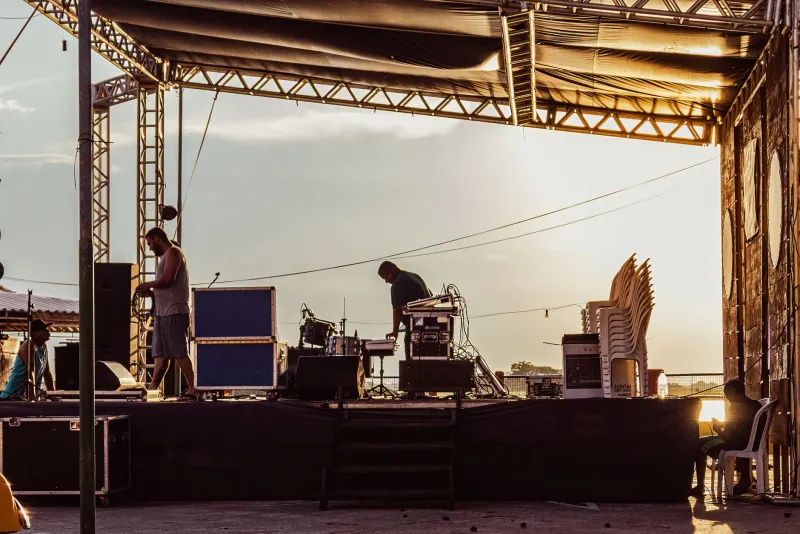
Photo by Photo by Vishnu R Nair on Unsplash on Unsplash
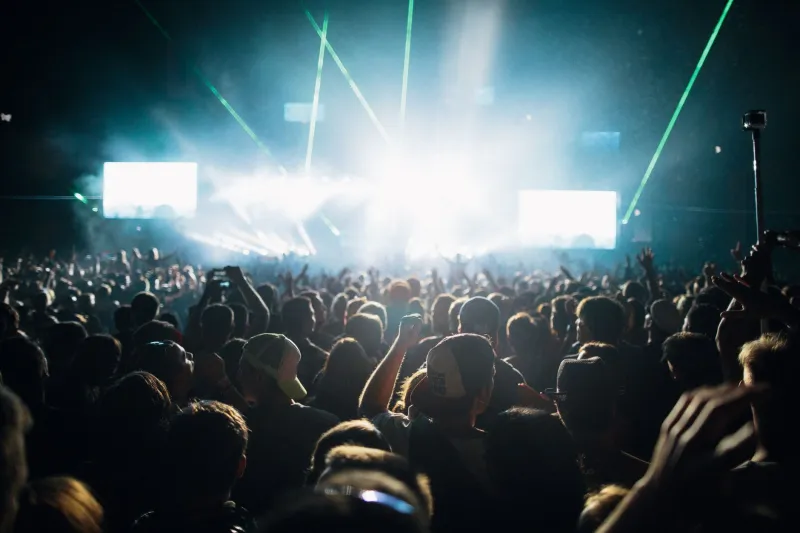
On a Saturday night in 2026, a crowd in a mid-size theater is singing every word to a song that came out before most of them were born. The band on stage looks familiar. The moves are familiar. The between-song patter is familiar, too. But it's not the original artist. It's a tribute act—and the room is packed.
That scene is playing out more and more across the US. Tribute bands, once relegated to county fairs and casino lounges, have become a real segment of the live-entertainment economy. They're selling out theaters, anchoring cruise-ship lineups, and drawing crowds who know exactly what they're getting. The rise says something about the price of nostalgia, the scarcity of the real thing, and the strange emotional math of seeing a fake version of an artist you love.
The New Nostalgia Economy
Tribute acts aren't new. What's new is the scale. In the past, a tribute band was often a novelty—a fun night out at a bar, a cheap way to hear songs you liked. Today, the best tribute acts operate like small businesses with real production values. They invest in lighting, costumes, and sound. They study footage. They build a show that feels intentional rather than improvised.
That professionalism matters because the audience has changed. Many fans aren't looking for a joke. They're looking for a night out that delivers a specific feeling: the songs they love, performed live, in a room full of people who love them too. The real artist might be touring arenas at prices that make a family night out impossible. The tribute act offers a version of that experience at a fraction of the cost.
Why Fans Buy the Facsimile
There's a common assumption that tribute audiences are settling. In reality, they're often making a rational choice. Seeing a legacy act in 2026 can mean paying hundreds of dollars for a seat far from the stage, navigating a massive venue, and hoping the artist's voice still holds up. A tribute show can offer a closer, cheaper, and more predictable night out. The songs are the same. The atmosphere is familiar. And the performer on stage is usually genuinely devoted to the catalog.
That devotion is part of the appeal. Tribute acts tend to be made up of fans who know the material deeply. They're not phoning it in. They're recreating a sound and a vibe because they love it. Audiences can feel that. It's the difference between a covers band playing a song and a tribute act living inside it.
The Craft Behind a Convincing Set
The best tribute acts are not impersonators in the insulting sense. They're interpreters. They understand that the goal isn't to be a perfect copy—it's to deliver the experience the audience came for. That means getting the arrangements right, capturing the energy of a live era, and knowing which moments to recreate and which to leave alone.
It also means respecting the room. A tribute show that works in a casino is not the same as one that works in a theater. The pacing changes. The banter changes. The best acts read the crowd and adjust. They know when to lean into the nostalgia and when to just play the hits.
The Scarcity Math
The tribute economy is, at its core, a response to scarcity. Many of the artists that tribute acts celebrate are no longer touring, or they're touring rarely, or they're charging prices that put them out of reach for most fans. The demand for those songs doesn't disappear. It just finds another outlet.
In that sense, tribute acts are filling a gap in the market that the original artists can't or won't fill. They're not competing with the real thing. They're serving an audience that wants a live experience and can't get it otherwise. That's a legitimate business, and it's one that's only likely to grow as more legacy acts age out of the road.
What It Says About Live Music in 2026
The tribute boom is a mirror. It reflects how expensive live music has become, how deeply fans are attached to certain catalogs, and how much people value the ritual of a shared night out. It also raises questions. How many tribute acts can a market support? When does a tribute show cross the line from homage to exploitation? And what happens to the original artists' legacies when the copy starts to feel as real as the source?
Those questions don't have easy answers. But the crowds aren't waiting for them. They're buying tickets. They're singing along. They're getting the night they came for. And in a live-entertainment landscape that keeps getting more expensive and more fragmented, that might be the most telling thing of all.