Different Stage, Different Deal: How Performers Read the Room Before the Room Even Knows It
Walk into a comedy club on a Saturday night and you'll feel it immediately — that low-grade electricity, the way strangers lean toward each other, the drinks arriving just a little faster than usual. Now walk into a Broadway house thirty minutes before curtain. Same city, same weekend, completely different energy. People are quieter, more contained, flipping through their Playbills like they're studying for something.
Neither crowd is wrong. They're just operating under a completely different set of rules — rules nobody handed them, rules they absorbed from years of showing up to these kinds of shows. And the performers on the other side of that curtain? They've spent entire careers learning to read those rules and work with them.
This is what some in the industry call the invisible contract: the unspoken agreement between a performer and their audience about what tonight is supposed to feel like, and what everyone in the room owes each other to make it happen.
Rock Shows: Permission to Let Go
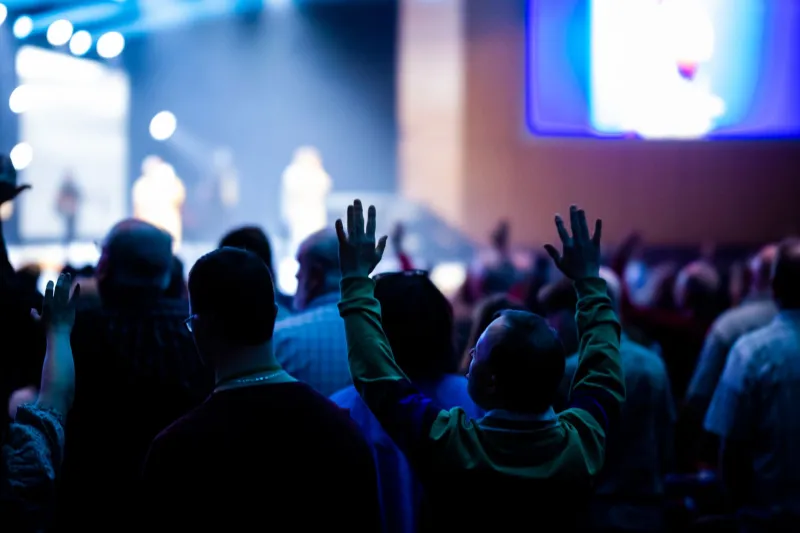
At a rock concert, the contract is practically written in neon. The audience shows up ready to surrender — to the volume, to the crowd, to the moment. Performers know this and use it as fuel.
"There's a trust that happens at a rock show that's almost tribal," says one touring guitarist who's played everything from 200-cap clubs to stadium floors. "The audience is telling you, 'We're already in. We gave you that the second we bought the ticket.' Your job is to honor that. You don't ease into it — you meet them where they already are."
That mutual permission to go big, get loud, and lose yourself is baked into the genre's DNA. Crowd surfers, circle pits, call-and-response chants — these aren't accidents. They're the audience actively participating in the contract, signaling to the performer: we're with you, push harder.
But flip the script and things get uncomfortable fast. Slow it down too early, talk too much between songs, break the momentum — and you'll feel the crowd physically shift. The contract has a clause: don't make us work to stay engaged.
Theater: The Agreement to Believe
Live theater runs on a completely different kind of faith. The audience agrees, almost formally, to suspend disbelief — to accept that the person in the spotlight is not the person they saw in the lobby, that the painted backdrop is actually a forest, that the grief on stage is real enough to feel.
Actors describe this contract as both more delicate and more powerful than any other genre.
"Theater audiences come in wanting to be transported," says one stage actor with credits on both coasts. "But they need you to hold up your end first. The second you seem unsure — a flicker of self-consciousness, a line reading that feels mechanical — they start to slip out. You lose them to their own thoughts. And once that happens, getting them back is genuinely hard."
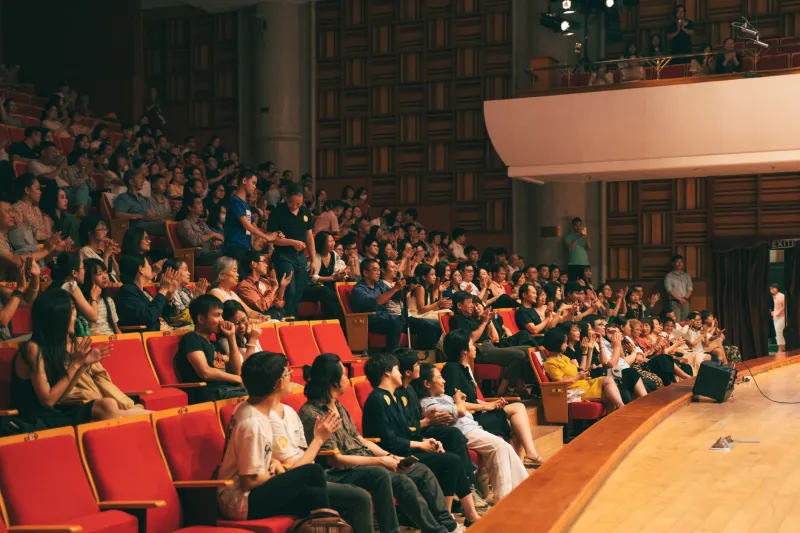
The etiquette expectations are stricter, too. Phones off. No talking. Applause at specific moments, silence at others. Theater audiences self-police in ways that rock crowds don't, because the contract requires collective focus. One person's disruption breaks the spell for everyone.
What's fascinating is that performers feel this focus as a kind of pressure and a gift simultaneously. The silence of a genuinely locked-in theater audience is one of the most electric things a performer can experience — and one of the most demanding.
Comedy: The Most Negotiated Contract in the Room
If rock is a handshake and theater is a formal agreement, comedy is a live negotiation happening in real time.
Stand-up comedians are uniquely exposed. There's no band behind them, no set to hide in, no choreography to fall back on. It's one person, a microphone, and a room full of people who came specifically to judge whether something is funny. The contract here is almost adversarial — not hostile, but testing.
"Comedy audiences want to laugh, but they don't just give it to you," explains a working comedian based out of Chicago who performs across the country. "You have to earn it. And they're watching to see if you know what you're doing. There's this thing that happens in the first thirty seconds where the room decides: is this person safe to go on the ride with? If you pass that test, they open up completely. If you don't, you're climbing uphill the whole set."
The comedy contract also includes permission to go places other genres can't — to say the uncomfortable thing, to name the tension in the room, to make people laugh at something they weren't sure they were allowed to find funny. But that permission is conditional. It has to be earned through timing, confidence, and a demonstrated understanding of who's actually in the room.
Crowd work — the art of riffing with specific audience members — is where this negotiation becomes most visible. A comedian who reads the room wrong and calls on the wrong person, or pushes too hard on a topic the crowd isn't ready for, can feel the contract tear in real time.
Dance: When the Audience Doesn't Know the Rules
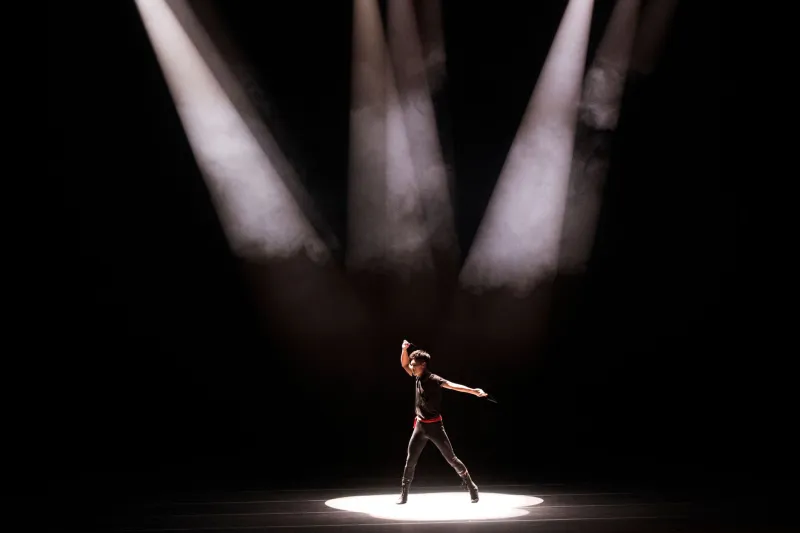
Contemporary dance might be the genre where the invisible contract is most frequently misunderstood — by audiences who aren't sure how to watch, and occasionally by performers who underestimate that uncertainty.
"A lot of people come to a contemporary dance show without a roadmap," says one choreographer and performer who works in both concert dance and commercial productions. "They want to appreciate it, but they're not sure what they're supposed to feel or when they're supposed to clap. So there's this tentative energy in the house."
Smart dance performers and choreographers have learned to guide audiences into the contract rather than assuming they'll find their way there. That might mean a spoken introduction, a program note that frames the work, or an opening sequence designed specifically to lower the barrier and say: you don't need to understand everything. Just feel it.
When that invitation lands, dance audiences can become some of the most intensely present in any performance space. But the contract requires the performer to extend it first.
What Every Genre Has in Common
Strip away the genre differences and one thing stays constant: audiences show up with an emotional expectation, and performers succeed or fail based on how well they honor it.
The best performers across every discipline — rock, theater, comedy, dance — share one skill above all others. They walk out and immediately take the temperature of the room. Not just who's there, but what they need. What they came for. What kind of night they're hoping to have.
That read happens in seconds. And then the real performance begins — not just the one on stage, but the ongoing negotiation between the person holding the mic and the hundreds of people who decided, out of everything they could have done tonight, to show up and be part of something live.
That's the contract. And every great performer knows: you don't just perform to an audience. You perform with them.