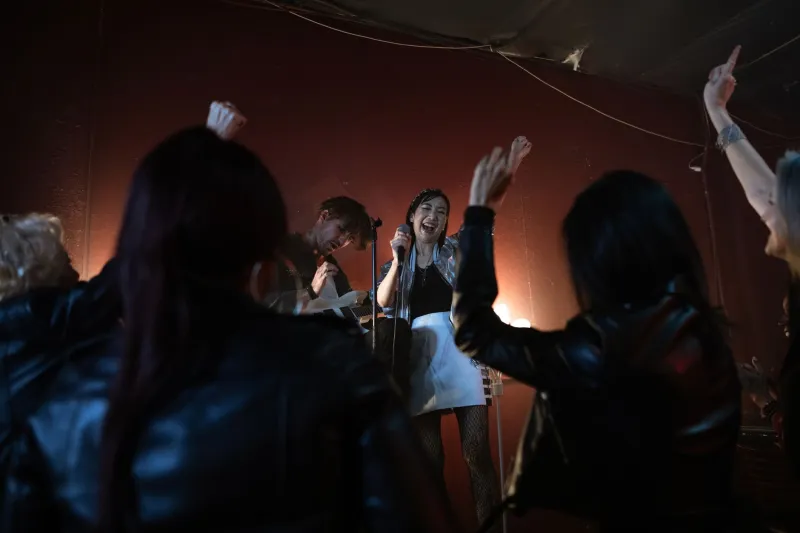
From the Wings to the Spotlight: The Night an Understudy Changed Everything
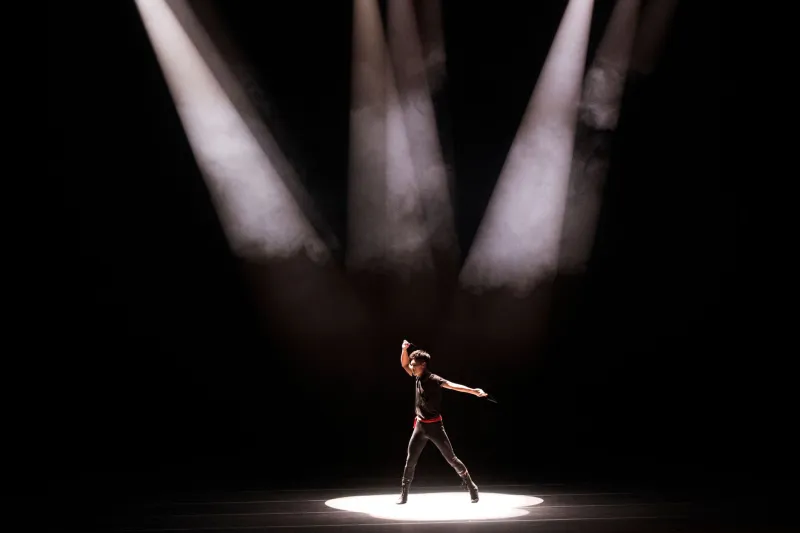
There's a particular kind of tension that lives in the wings of a Broadway theater. It's not the nervous energy of a lead performer doing vocal warmups or a stage manager running last-minute cues. It's something quieter, more patient — the contained readiness of the understudy, the performer who knows every single word of the show and may never get to say them out loud.
Until the night they do.
Those nights are the stuff of theater legend. And they happen more often than most audiences realize.
The Invisible Job Nobody Talks About
Being an understudy is one of the most psychologically demanding gigs in all of live entertainment. You're asked to be fully prepared at all times, to stay sharp through weeks or even months of shows you're not performing in, and to be ready to step into the spotlight — sometimes with less than an hour's notice.
"You have to stay in a constant state of readiness without burning yourself out," says one veteran Broadway understudy who has covered roles in three major productions over the past decade. "You can't let yourself go mentally soft just because you haven't gone on in six weeks. The moment you do, that's when the call comes."
That call — the one from the stage manager letting you know you're going on tonight — is something understudies describe in almost cinematic terms. Heart-pounding. Surreal. A mix of terror and electric excitement that doesn't really have a clean name.
For many, it's also the moment their career quietly pivots.
When Preparation Meets Its Moment
The theater world has no shortage of understudy origin stories that border on folklore. Jennifer Holliday's electrifying run in Dreamgirls. Sutton Foster stepping in for Thoroughly Modern Millie during out-of-town tryouts and turning a struggling production into a Tony-winning hit. Idina Menzel as the understudy who eventually redefined what it meant to close the first act of a musical.
These aren't flukes. They're the result of performers who spent countless hours in rehearsal rooms, watching from the wings, absorbing every nuance of a role — and then bringing something entirely their own when the spotlight finally swung their way.
Theater professionals will tell you that understudy performances often carry a raw energy that scheduled shows sometimes lack. There's an urgency to them, a sense that something unexpected and alive is happening in real time. Audiences who stumble into an understudy performance often describe it as one of the most memorable shows they've ever seen — not despite the substitution, but because of it.
"There's no safety net," says one casting director who has worked on multiple Broadway productions. "The understudy knows it, the company knows it, and the audience — even if they don't know who's who — can feel it. That energy is real."
The Psychological Weight of Standing By
What's less romanticized is the emotional toll of the waiting. Understudies occupy a strange professional limbo. They're part of the cast but rarely in the spotlight. They attend rehearsals, they run lines, they stay in shape vocally and physically — all for a role they may perform only a handful of times during an entire run.
Some performers find the experience clarifying. It strips away ego and forces a deep, almost academic relationship with the material. Others find it genuinely difficult, especially when they're convinced they could do something special with the role if only given the chance.
"You have to make peace with not being chosen," admits one performer who understudied a lead role in a long-running Off-Broadway show. "But you also can't make too much peace with it. You have to keep that hunger alive. It's a weird balance."
The mental discipline required is something theater coaches and directors take seriously. Many productions now include specific psychological preparation for understudies — not just blocking notes and lyric sheets, but actual conversations about managing anxiety, staying motivated, and processing the complex emotions that come with the role.
The Audience's Side of the Story
Here's something the theater world doesn't always consider: the audience's reaction to an understudy announcement is itself a performance moment.
Most veteran theatergoers know the drill. A slip of paper tucked into the Playbill. A brief announcement over the house speakers before the show begins. And then — a ripple through the crowd. Some groan. Some check their phones. A few lean over to whisper to their companions.
But ask those same audience members six months later what they remember about the show, and a surprising number of them will tell you about the night the understudy went on.
"I was honestly annoyed at first," recalls one New York theatergoer who saw a major musical during a holiday run. "I'd specifically bought tickets to see the lead. But by the end of Act One, I forgot all about it. The person on that stage was giving everything they had, and you could feel it."
That emotional authenticity — the sense that you're watching someone seize a once-in-a-career opportunity in real time — is something no scripted performance can fully replicate. It's one of the purest expressions of what live entertainment is actually about.
More Than a Backup Plan
The entertainment industry at large is slowly starting to recognize what theater has always known: understudies aren't just contingency plans. They're a crucial creative resource, a second perspective on every role, and sometimes the source of the most memorable moments a production will ever produce.
Streaming and recorded content have made it easy to forget that live performance is fundamentally about presence — about two groups of humans sharing a space and something unrepeatable happening between them. The understudy story is maybe the clearest illustration of that truth.
Because when the backup performer walks out from the wings and into the light, nobody's watching a recording. Nobody's watching a safety net. They're watching someone who has waited, prepared, hoped, and doubted — and who is now, in this exact moment, exactly where they're supposed to be.
That's not a substitute for the main event.
That is the main event.