Rise and Roar: The Unwritten Rules Behind the Standing Ovation
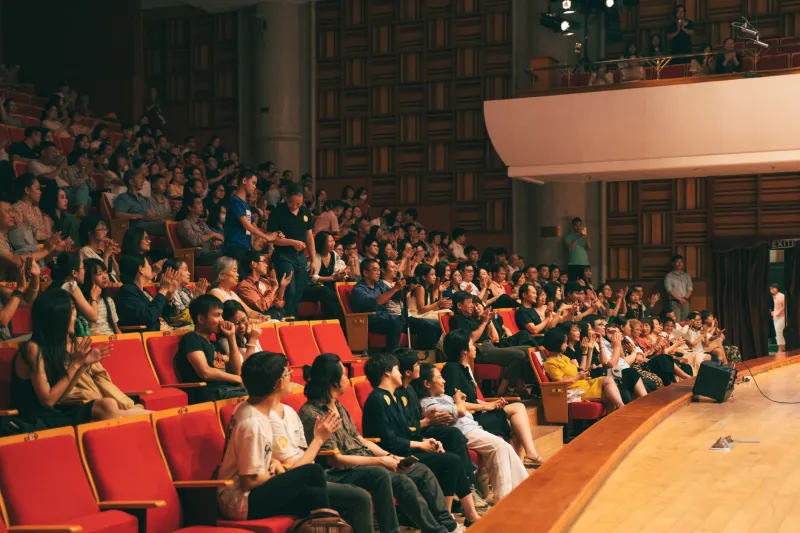
There's a moment — you probably know it — when the final note hangs in the air, the curtain drops, or the last punchline lands so perfectly that something shifts in the room. Someone in the third row pushes back their seat and stands. Then another person. Then another. Before long, the whole house is on its feet, hands crashing together in a wave of pure, unfiltered appreciation. It's electric. It's communal. And honestly? It's one of the most beautiful things live entertainment has to offer.
But the standing ovation isn't just a reflex. It has a history, a culture, and — depending on who you ask — a whole set of unspoken rules that audiences navigate every single night in theaters and concert halls across the country.
Where It All Started
The standing ovation has roots that stretch back centuries. Ancient Roman audiences would wave the flaps of their togas to signal approval of a performance — a gesture that evolved over time into something a little more physically dramatic. By the time Broadway was hitting its golden era in the mid-20th century, rising from your seat to applaud had become a recognized symbol of exceptional appreciation in American performance culture.
For a long time, the standing ovation was genuinely rare. It meant something. You didn't stand for a decent show — you stood for a transcendent one. Old-school theater critics and longtime Broadway patrons will tell you that the standing O used to be reserved for those once-in-a-season performances that left you genuinely changed.
Has the Standing Ovation Lost Its Meaning?
Here's where it gets a little complicated. Ask anyone who works in live entertainment today, and a lot of them will quietly admit that the standing ovation has become... kind of automatic in some venues. Particularly on Broadway and at touring productions, it's not unusual for audiences to stand almost out of habit — or social pressure — regardless of whether the show was truly extraordinary.
Social dynamics play a huge role. When one person stands, others feel compelled to follow, partly because if you don't stand, you're suddenly the person blocking everyone else's view of the performers. It becomes less about genuine appreciation and more about not being the odd one out.
That said, performers and directors are pretty good at reading the difference. A genuine ovation has a spontaneity to it — people rising at different moments, the energy in the room building organically. A polite ovation tends to happen all at once, right on cue, like a well-rehearsed routine of its own.
Genre Makes a Big Difference
The culture around standing ovations varies wildly depending on what kind of show you're at.
Classical concerts tend to be the most conservative. Symphony audiences are notoriously particular — there's the whole thing about not applauding between movements (a rule that confuses first-timers constantly), and a standing ovation at a classical performance still carries serious weight. When the audience at Carnegie Hall rises for a soloist, that performer knows they've done something genuinely special.
Broadway sits somewhere in the middle of the spectrum. As mentioned, standing ovations have become more common, but there's still a distinction between the polite end-of-show rise and the kind of eruption that happens when a performer delivers a showstopping number — think a Patti LuPone belt or an Aaron Tveit high note — that makes the audience lose their minds mid-show.
Comedy shows operate on completely different energy. Stand-up audiences express appreciation in real time through laughter, but when a comedian absolutely destroys a set — when every joke lands, when the crowd is breathless and barely keeping it together — a standing ovation at the end feels less like a formality and more like a collective exhale of disbelief. Comedians often say those are the ovations that hit hardest.
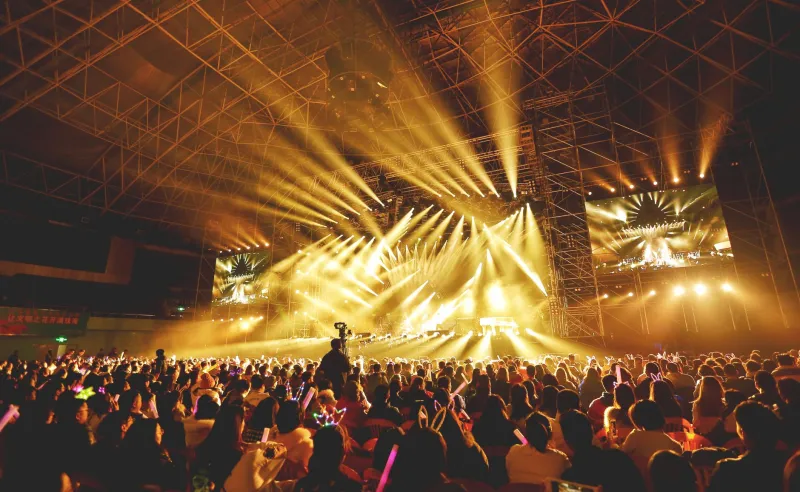
Rock and pop concerts are their own universe entirely. The audience is usually already standing, so the gesture shifts — it becomes about the noise level, the energy in the room, the crowd singing every word back to the performer.
What Performers Actually Feel
Ask any performer what a standing ovation means to them, and you'll get answers that range from humble to deeply emotional. For many, it's the validation that makes the months of rehearsal, the physical exhaustion, the vulnerability of performing — all of it — feel worth it.
Actors talk about the way time seems to slow down during those moments. You're taking your bow, the lights are hitting you, and you can feel the energy of hundreds of people all expressing gratitude at the same time. It's one of the few experiences in live entertainment that genuinely can't be replicated on a screen.
For newer performers, a first standing ovation is often a career-defining memory. For veterans, it never really gets old — it just gets more meaningful.
Cultural Differences Worth Knowing
If you travel internationally to catch performances, it's worth knowing that the standing ovation isn't universal. In many European countries, particularly in classical music settings, audiences express appreciation through rhythmic, synchronized clapping rather than standing. In some cultures, the loudness of the applause itself is the signal — standing up doesn't carry the same symbolic weight.
Back in the US, regional differences exist too. New York theater audiences can be tougher crowds than those in touring markets, where enthusiasm tends to run a little more freely. Neither approach is wrong — they're just different expressions of the same underlying appreciation for live art.
So When Should You Stand?
Honestly? Stand when you feel it. The best standing ovations are the ones that aren't calculated — they happen because the performance genuinely moved you, surprised you, or made you feel something you weren't expecting. Don't stand because the person next to you did. Don't stay seated because you're worried about what it looks like.
Live performance is one of the last truly communal experiences we have. The standing ovation, at its best, is a room full of strangers agreeing — without a single word — that something extraordinary just happened in front of them. That's worth protecting.
Next time you're in the audience and that curtain drops, trust your gut. If the performance earned it, get on your feet. That's the whole point.