Silence Is a Headliner: The Quiet Power of the Space Between Songs

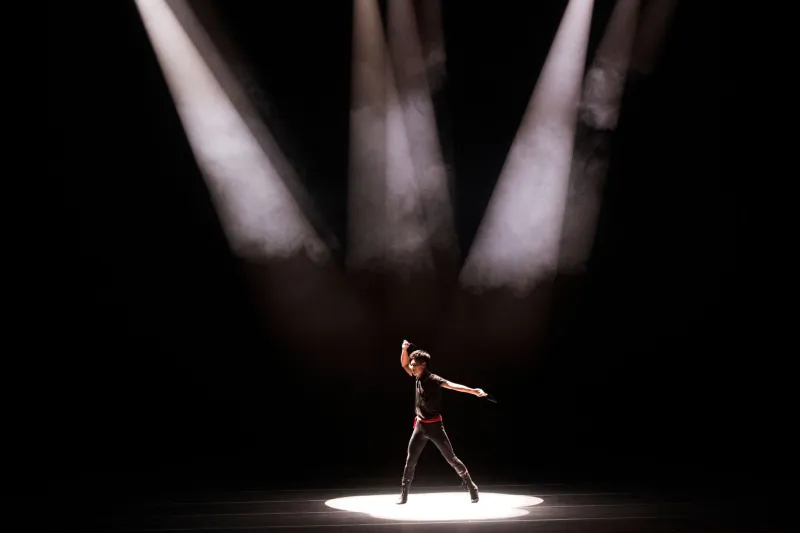
Photo by Photo by davide ragusa on Unsplash on Unsplash
Every live show has a pulse. You can hear it in the obvious places—the kick drum, the chorus, the scream that greets the first chord of a song everyone knows. But the pulse is also in the places where nothing seems to be happening: the half-second after a song ends, the beat before a performer says something, the breath the room takes together. Call it the five-second rule. Not a hard rule, exactly, but a pattern you can spot once you start looking. The best performers don't just fill time between songs. They shape it.
The Five-Second Window
Watch a seasoned act close a song and you'll notice the audience does something instinctive: it waits. For about five seconds, maybe less, the room hangs in a kind of collective suspension. Hands are still up. The last note is still ringing. Nobody is quite ready to be the first person to clap. That window is where a lot of the night's real work gets done. If the performer steps into it with the right line, the right gesture, or even the right kind of silence, the room stays with them. If they rush it—if they immediately launch into the next song or start shouting over the applause—the spell thins out. The audience doesn't necessarily notice. They just feel a little less connected.
This is not about being precious. It's about pacing. A show that never pauses is a show that never gives the audience a chance to catch up. The gaps are where people turn to each other and say, "That was great." They're where the night becomes a memory instead of a blur.
Why Silence Reads as Confidence
There's a reason a long pause can feel powerful rather than awkward. On stage, silence is a risk. The performer is standing there with nothing between them and the room—no beat, no lyric, no choreography. When they choose to hold that space anyway, it reads as control. They're not afraid of the audience. They're not scrambling. They're letting the moment breathe.
That confidence is contagious. Audiences settle in when they sense the person on stage knows what they're doing. You can see it in the way people stop checking their phones, stop shifting in their seats, stop talking to their neighbor. The room gets quieter because the performer has quietly told them: stay with me.
Banter Is Not Filler
The best stage banter isn't random chatter. It's a transition tool. A good line between songs can reset the energy, buy the band a second to retune, or pull the audience closer before the next emotional swing. But banter only works when it feels like it belongs to the night. The same joke that kills in a comedy club can flatten a concert if it's dropped into the wrong pocket of air.
That's why so many performers treat the gap as a kind of improvisational space. They read the room in real time. They notice the front row is rowdier than expected, or the balcony is quieter, or someone just yelled something that's too good to ignore. The gap becomes a conversation instead of a scripted pause. And the audience, whether they realize it or not, starts to feel like they're part of the show rather than just watching it.
The Difference Between a Pause and a Stall
Not all empty space is created equal. A pause is intentional. A stall is what happens when the performer doesn't know what to do next. Audiences have sharp instincts for the difference. A pause makes the room lean in. A stall makes the room start looking around.
The tell is usually in the performer's body language. A deliberate pause comes with eye contact, a relaxed stance, a sense that something is about to happen. A stall comes with fidgeting, a half-started sentence, a glance toward the wings. The five-second rule isn't about stretching silence for its own sake. It's about using silence the way a musician uses a rest—to make the next note land harder.
What Audiences Actually Remember
Ask people what they remember about a great show and they rarely list every song. They remember a moment. A story told between two hits. A performer stepping back from the mic and letting the crowd sing. A pause so long it felt like the whole room was holding its breath. Those moments don't happen by accident. They happen because someone on stage understood that the space between songs is not downtime. It's part of the setlist.
In 2026, with so much live entertainment competing for attention, that lesson matters more than ever. A show can have perfect sound, a stunning light rig, and a setlist full of hits. But if the transitions feel rushed, the whole thing can feel like a playlist rather than a performance. The gaps are where the human part sneaks in.
The Room as Instrument
There's an old idea in live performance that the audience is the final instrument. The performer plays the room, and the room plays back. The five-second rule is one of the simplest ways that exchange happens. A pause invites a response. A breath invites a breath. A moment of quiet can make a crowd feel like a single organism instead of a thousand separate people.
So next time you're at a show and the music stops, don't reach for your phone. Don't rush to fill the silence with a whoop. Just notice what the performer does with it. The best ones know that the space between songs isn't empty at all. It's where the show actually lives.