Scroll to Stage: How Gen Z Creators Are Blowing Up Live Entertainment
Not long ago, the path to a live performance career looked pretty straightforward: train, audition, grind, repeat. You paid your dues in small theaters, regional productions, and open mic nights until someone with industry connections finally took notice. It was slow, it was competitive, and it demanded years of patience before most performers ever stood in front of a crowd that wasn't made up of their family members.
Then TikTok happened. And everything got weird — in the best possible way.
A New Kind of Star Is Born
The Gen Z performers redefining live entertainment today didn't necessarily follow a traditional path. Many of them built audiences of hundreds of thousands — sometimes millions — before they ever booked a proper venue. Their stages were their bedrooms. Their audiences were strangers scrolling at 2 a.m. And the feedback was immediate, brutal, and addictive.
What's fascinating is how that experience shaped them as performers. Unlike previous generations who developed their craft largely in private before presenting it publicly, Gen Z creators built their skills in public. Every awkward video, every song cover that didn't quite land, every comedy bit that flopped — it all happened in front of an audience. That kind of radical transparency created a generation of performers who are unusually comfortable with vulnerability and unusually skilled at reading what an audience responds to.
"You learn really fast what works and what doesn't," says one 22-year-old singer-songwriter who grew her following through short-form video content before transitioning to live touring. "On TikTok, you can literally see in real time whether something is connecting. That muscle — knowing how to feel an audience — it transferred to live shows in ways I didn't expect."
The Hybrid Entertainment Experience
What makes Gen Z performers particularly interesting isn't just that they came from social media — it's that they haven't left it behind. The most successful among them have figured out how to blend their online identity with their live presence in ways that create something genuinely new.
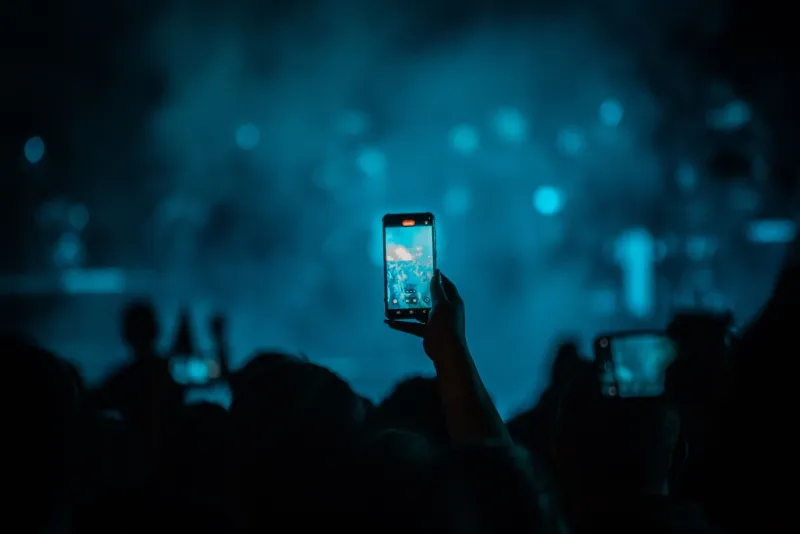
Think about what a Gen Z-led live show actually looks like. There's often a layer of interactivity that older performance formats don't have. Audiences are encouraged to film, to post, to participate in real time. Performers might call back to a viral moment from their feed, creating an in-joke that lands differently for people who've followed them online versus someone who just bought a ticket on a whim. The show exists simultaneously in the room and on everyone's phone screen.
This is a sharp departure from the traditional concert or theater experience, where phones were the enemy and the fourth wall was sacred. Gen Z performers have essentially dismantled that wall entirely — and their audiences love it.
The Challenges Nobody Talks About
Here's the part that doesn't always make it into the success stories: transitioning from viral content creator to sustained live performer is genuinely hard, and a lot of people underestimate it.
Viral fame is fast and often random. A single video can generate a million followers overnight — but those followers came for that moment, not necessarily for everything else you do. Converting casual online fans into the kind of dedicated audience that buys tickets, drives to venues, and shows up rain or shine requires a completely different kind of relationship-building.
There's also the physical and technical challenge of live performance itself. Singing a 60-second clip in your bedroom with multiple takes and audio filters is a completely different skill set from performing a 90-minute set in a 2,000-seat venue with a live band and no safety net. Plenty of creators have found themselves in front of live crowds and realized, with some panic, that the tools they relied on online simply don't translate.
Voice training, stage presence, pacing, crowd management — these are craft elements that take time to develop, and the pressure of performing live in front of an audience that already has expectations based on your online persona adds an extra layer of intensity.
"My first real live show was terrifying," admits one 24-year-old comedian who built a following through sketch videos before booking his first stand-up tour. "Online, you control everything. Live, you control nothing. The audience decides whether it's funny. You can't edit it. You can't re-shoot. That's a completely different kind of courage."
What Audiences Expect Now
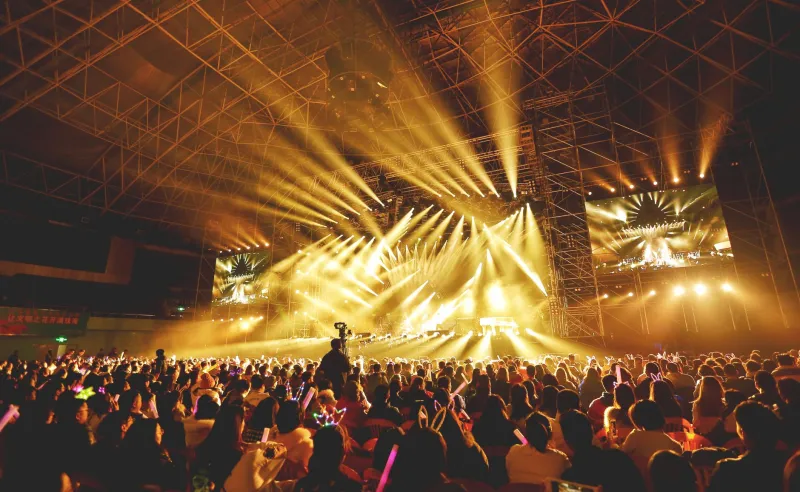
It's not just the performers who've changed — audiences have too. Gen Z concertgoers and theatergoers bring a set of expectations that's been shaped by years of on-demand, interactive, highly personalized content consumption. They want to feel like they're part of the show, not just watching it. They want moments that feel made for them specifically, even when they're sitting in a room with 3,000 other people.
This is pushing performers of all generations to rethink how they structure their shows. Fan interaction segments, social media callouts mid-performance, surprise guests announced through Instagram Stories hours before showtime — these are all strategies that blur the line between online and offline entertainment in ways that audiences are increasingly expecting as the baseline, not the bonus.
Traditional entertainment institutions are taking notice too. Broadway productions have started casting performers with significant social media followings, understanding that a creator who brings 2 million TikTok followers to the table is also bringing a built-in audience that might never have bought a theater ticket before. It's a calculated bet — and so far, it's paying off.
The Future Is Already Here
What Gen Z performers are building isn't a replacement for traditional live entertainment — it's an expansion of it. They're pulling new audiences into venues, introducing younger generations to the irreplaceable thrill of a live performance, and challenging established formats to evolve.
The performers who figure out how to honor both worlds — the intimacy and immediacy of social media and the craft and presence required for live performance — are the ones carving out genuinely exciting careers. They're not choosing between the screen and the stage. They're building something that lives in both places at once.
And for audiences? That means live entertainment is about to get a whole lot more interesting.