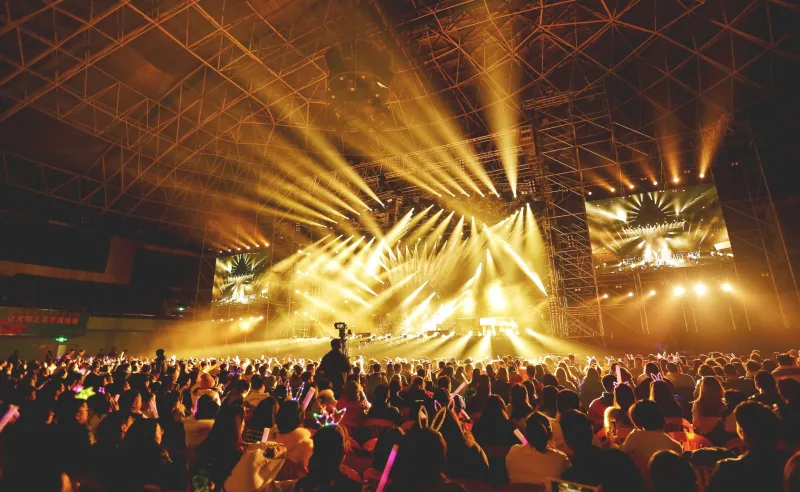
Five Signs the Phone-Free Concert Is Here to Stay
Photo: Anthony O'Neil , CC BY-SA 2.0, via Wikimedia Commons
The phone-free concert used to feel like a stunt. Now it feels like a signal. Artists are asking fans to lock their devices away, venues are investing in pouch systems, and audiences are arguing about it in the parking lot. Love it or hate it, the screen-free show is having a moment. Here are five signs it's not going anywhere.
1. Artists Are Making It Part of the Performance
A few years ago, asking fans to put phones away was a quirky request from a handful of acts. Now it's a creative choice. Some artists frame the phone-free policy as part of the show's atmosphere: no glowing screens, no missed moments, no half-present audience. They announce it from the stage. They print it on signs. They make it clear that the room is the point.
That shift matters. When an artist treats a phone ban as part of the performance rather than a punishment, fans are more likely to buy in. It becomes a shared rule, not a lecture.
2. The Pouch Has Become Normal
If you've been to a comedy show, a theater, or a growing number of concerts lately, you've probably seen the pouch. You hand over your phone, it gets sealed, and you keep it with you until the show ends. The first time feels weird. The second time feels routine.
That normalization is a big deal. The pouch used to be a punchline. Now it's infrastructure. Venues have trained staff, clear instructions, and return stations. The logistics have caught up with the idea, which makes the phone-free show easier to pull off at scale.
3. Fans Are Complaining - and Still Showing Up
There's always backlash. Fans want to record their favorite song, document the night, or post a clip before the encore. Some see the policy as controlling. Some see it as unnecessary. The debate is loud, especially online.
But here's the thing: the tickets still sell. The shows still fill. The complaints haven't stopped the movement, and that tells you something. For a lot of fans, the trade-off is worth it. They may miss a video, but they gain a night that feels more present. The backlash is real, but it's not the whole story.
4. The Best Moments Are Happening Off-Screen
Ask anyone who has been to a phone-free show what they remember. It's rarely the clip they didn't take. It's the crowd singing together, the artist stepping to the edge of the stage, the joke that landed because everyone was looking at the same place at the same time. Those moments are harder to capture and easier to feel.
That's the quiet argument for the phone-free show. It's not about being anti-technology. It's about protecting a shared experience. When the screens go away, the room gets louder. People talk to strangers. They dance without checking their angles. They leave with a story instead of a camera roll.
5. The Economics Are Starting to Work
Phone-free shows aren't just an artistic choice anymore. They're a business model. Venues can charge for pouch service. Artists can sell official recordings and photos as a trade-off. Tours can create a premium experience around being present. The money is starting to make sense, and that's usually when a trend becomes a fixture.
None of this means every show will go phone-free. Plenty of artists will keep welcoming cameras, and plenty of fans will keep filming. But the phone-free concert has moved from the fringe to the mainstream conversation. It has rules, infrastructure, and a growing fan base. That's not a passing phase. That's a new option in live entertainment - and it's here to stay.